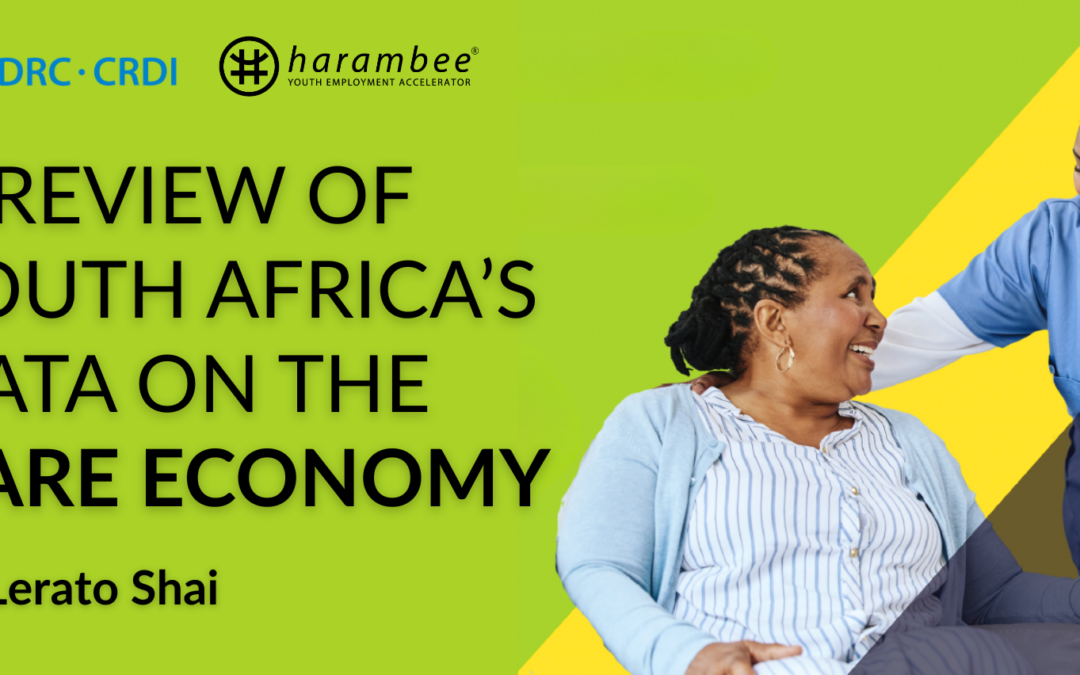
by Delusha Pillay | May 26, 2026 | Case Studies, Featured
The care economy is fundamental to the functioning of society and the economy — shaping how children are cared for and educated, how people access healthcare and social support, how older persons age with dignity, and how households and communities are sustained. Yet despite its critical role…
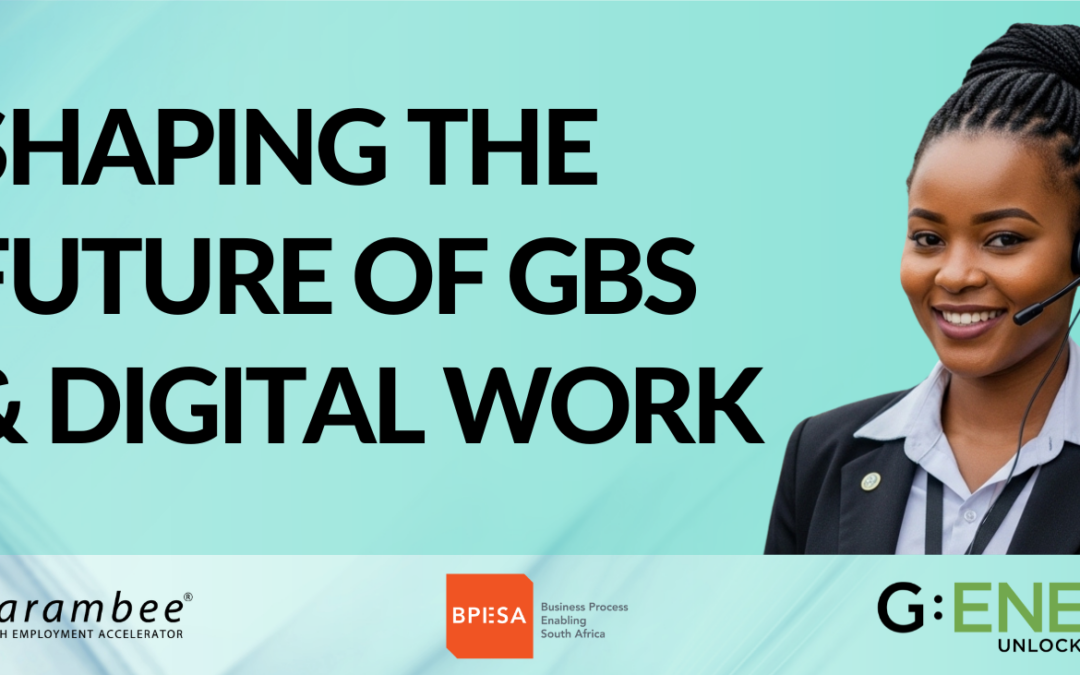
by Delusha Pillay | Apr 2, 2026 | Case Studies, Featured
The GBS and Digital sectors have been identified as a generator of an outsized proportion of youth employment opportunities. With the GBS and Digital Jobs Project, delivered in partnership with Mastercard Foundation, targeting the creation of 200,000 digital and GBS jobs in Rwanda and South Africa by 2030, these sectors must continue to be the focus of acute analysis to ensure the continent’s most excluded youth benefit from its growth.

by Delusha Pillay | Dec 11, 2025 | Case Studies, Featured
Harambee Youth Employment Accelerator provides 24/7 AI-powered multichannel support to millions of work-seekers in South Africa. Since implementing the Genesys Cloud™ platform, the nonprofit has achieved 90% first-contact resolution and answer rates and has gained 24,900 hours of productivity. Its popular conversational chatbot manages 37,000 interactions per month and speech and text analytics offer deep insights for continually optimizing Harambee’s services.

by Delusha Pillay | Dec 11, 2025 | Case Studies, Featured
South Africa stands at a crossroads where digital innovation and youth potential converge. As the country seeks to bridge the gap between talent and opportunity, two resources – the DigiLink case study and the Work-Integrated Learning (WIL) Programme Builder’s Toolkit – offer a blueprint for change. These initiatives, driven by Collective X and Harambee Youth Employment Accelerator, showcase how structured support, collaboration, and practical experience can unlock meaningful careers for thousands of young South Africans.

by Delusha Pillay | Oct 1, 2025 | Featured, Knowledge & Research
In just 12 years, Gerald Chertavian has nurtured Year Up
from start-up to star status among nonprofits that offer
job training and educational support to disadvantaged
urban young adults.
